Inicio » Blog » ¿Se puede demandar al anfitrión de una fiesta por un accidente de manejo en estado de ebriedad en California?
|
|
Last Modified on Sep 08, 2026
You are facing stack after stack of medical bills when a crucial detail emerges: the drunk driver who hit you was seventeen, fresh from a party just two miles away. Naturally, a urgent question arises: can you sue a party host for a drunk driving accident in California?
In California, social host liability hinges almost entirely on age. While adults serving adults are generally shielded from civil lawsuits, that protection vanishes when the drinker is under 21. If a minor caused your crash, a drunk driving accident attorney can trace responsibility back to where the alcohol was served.
En Bentley & More LLP, we untangle complex liability cases to ensure every responsible party is held accountable.
Key Takeaways:
- California law protects social hosts from lawsuits when serving guests 21 or older.
- Hosts lose their legal protection if they knowingly furnish alcohol to a minor who later causes a crash.
- Bars and restaurants can be liable if they serve alcohol to an obviously intoxicated minor.
- A successful claim against a social host allows you to pursue compensation through their homeowner’s or renter’s insurance, not just the driver’s auto policy.
California’s Rule: Social Hosts Are Usually Protected
No, you generally cannot sue a party host in California over a crash caused by an adult guest, even one who was clearly overserved. State law has treated the drinking itself, not the pouring, as the legal cause of what follows.
This rule comes from California Código Civil, artículo 1714(c), which immunizes social hosts who furnish alcohol to adults. A host who hands a thirty-five-year-old his fifth beer isn’t on the hook when that guest drives home and hits someone. The math changes the moment the guest is under 21.
The Under-21 Exception, and What You Have to Prove
Once the driver is under 21, California opens a path around host immunity, but only if the facts line up in a specific way.
The host had to know
You need evidence the host knew, or clearly should have known, the guest wasn’t old enough to drink. A driver’s license checked at the door, a guest introduced as “still in high school,” texts arranging the party around a graduation, any of these can establish knowledge later in a deposition.
The alcohol has to connect to the crash
The law requires that the minor’s intoxication, from alcohol the host actually furnished, caused the injury. A host isn’t liable for alcohol a teenager smuggled in himself or drank somewhere else first.
Bars and Restaurants Follow a Different Rule
Sometimes the alcohol came from a licensed business instead of a private home. A commercial claim needs three things to hold up:
- The patron served was under 21
- Staff served them while they were visibly, obviously intoxicated
- That intoxication caused the crash that hurt you
Evidence, Insurance, and Your Next Step
Cases like this rarely turn on a single witness. Text messages, Instagram stories timestamped from the party, alcohol receipts, and statements from other guests might help establish what the host knew and when.
Importantly, recovery isn’t capped by the driver’s auto limits. A host’s homeowner’s or renter’s insurance often covers property-related negligence, providing essential funding if the teenage driver carried little to no insurance.
Our experienced attorneys can audit your claim and help you identify responsible parties.
Preguntas frecuentes
Q: What if the host says they didn’t know the driver was underage?
R: Their claim doesn’t end the inquiry, since courts look at what a reasonable host should have known, not just what they admit. Text messages, invitations, and witness statements about the driver’s age often contradict that denial.
Q: Can I sue the drunk driver and the host at the same time?
R: Yes, California allows claims against multiple defendants in one lawsuit when their conduct combined to cause your injury. This often matters most when the driver has little insurance or few assets.
Q: What if the alcohol came from the host’s own teenager, not the adult homeowner?
R: California law can still reach the adult resident if they knew or should have known minors were drinking in their home. Parents have been held liable even without personally pouring a drink.
Q: How long do I have to bring a claim against a social host?
R: California generally gives injury victims two years from the crash date, the same window that applies to most demandas por daños personales. Waiting risks losing texts, footage, and witness memories that make these cases work.
Bentley & More LLP: Your Newport Beach Drunk Driving Accident Law Firm
When a drunk driver causes a crash after leaving a house party or social gathering, knowing who legally shares the blame requires clear, expert guidance. California’s social host laws strictly divide immunity based on age and venue type, making it essential to audit every detail of where and how the driver was served.
Investigating these cases involves two critical steps: establishing proof and identifying coverage. Evidence like guest testimony, receipts, and social media posts are helpful in demonstrating what happened before the driver got behind the wheel. From there, identifying all applicable insurance coverage can provide financial relief if the driver’s auto insurance limits fall short.
El trial team at Bentley & More LLP has spent years untangling multi-party liability in complex injury claims. We bring that deep investigative focus to every drunk driving accident, ensuring every avenue of compensation is explored. Póngase en contacto con nuestro bufete hoy mismo, and let’s figure out together who else belongs in your claim.
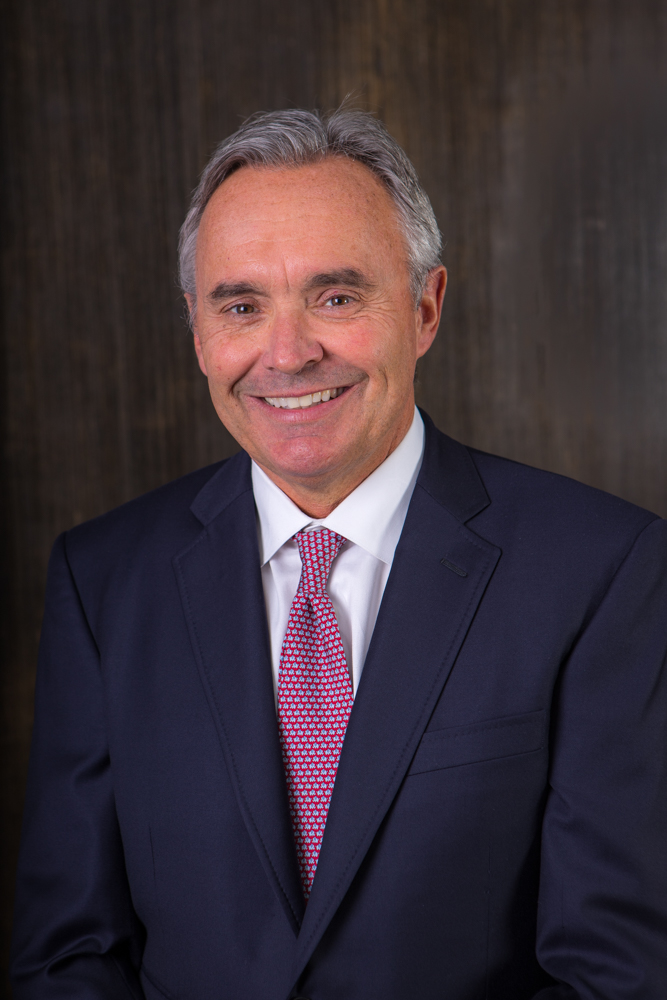
Acerca del autor: Greg Bentley
Cofundador y abogado litigante en Bentley & More LLP
Greg Bentley es cofundador de Bentley & More LLP en Newport Beach, California. Con 36 años de experiencia, representa a demandantes en casos de lesiones personales, muerte por negligencia, responsabilidad por productos defectuosos, mala fe de las aseguradoras, condiciones peligrosas en carreteras y propiedades, y defectos en obras de construcción. Habilitado para ejercer en el Colegio de Abogados de California, Greg obtuvo su título de Doctor en Derecho en la Facultad de Derecho de la Western State University en 1990. Es miembro de varias organizaciones de abogados litigantes a las que solo se puede ingresar por invitación, entre ellas el Colegio Americano de Abogados Litigantes y la Academia Internacional de Abogados Litigantes, y participa activamente en múltiples asociaciones de abogados litigantes a nivel estatal y regional.






 EN
EN