Home » Blog » How Uber and Lyft’s Insurance Coverage Works (Periods 0 – 3) in California
|
|
Last Modified on Oct 21, 2026
Getting hurt in or by a rideshare car raises one urgent question: which insurance policy actually pays for your injuries? In California, the answer depends on what the driver’s app was doing when the crash happened.
Uber and Lyft’s insurance coverage moves through four distinct periods, and the difference between a $50,000 policy and a $1 million policy can hinge on whether a ride had been accepted seconds before impact.
Our dedicated personal injury lawyers at Bentley & More LLP helps injured people sort out which policy applies and pushes back when an insurer tries to limit applicable coverage.
Key Takeaways
- Period 0 (app off): no rideshare coverage applies. The driver’s personal auto policy responds.
- Period 1 (app on, no match yet): Uber and Lyft provide contingent coverage of $50,000 per person, $100,000 per accident, and $30,000 for property damage.
- Periods 2 and 3 (trip accepted through drop-off): $1 million in primary commercial liability coverage applies.
Figuring out which period applies at the exact second of a crash is often the entire fight, and it’s worth getting right before talking to any insurance adjuster.
What Happens During Period 0: When the Rideshare App Is Off
Period 0 applies when the driver has not logged into the Uber or Lyft app. No transportation network company coverage applies. The crash gets treated like any other car accident, and the driver’s own personal auto policy responds.
What Happens During Period 1: While a Driver Waits for a Match
Period 1 starts the moment a driver logs on and goes available, and it lasts until a ride request gets accepted. During Period 1, the rideshare company’s contingent coverage provides:
- $50,000 for death or injury to one person
- $100,000 for death or injury total in one accident
- $30,000 for property damage
That framework comes from Cal. Pub. Util. Code § 5433. It’s “contingent,” meaning it typically responds only after the driver’s personal policy is checked. If that personal policy denies the claim because of a business-use exclusion, Period 1 can leave a badly injured person with far less than the cost of their medical care.
What Happens During Periods 2 and 3: A Request Is Accepted or a Rideshare Passenger Is in the Car
The picture changes fast once a driver taps “accept.” Period 2 begins the moment a ride request is matched and continues while the driver heads to the pickup. Period 3 begins when the passenger gets in and runs until they get out. For both periods, California law requires the rideshare company to maintain $1 million in primary commercial liability coverage.
That policy sits ahead of the driver’s personal insurance, so there’s no need to fight over whose policy responds first. Victims injured during active trips can consult an experienced rideshare accident lawyer in California to hold commercial insurers accountable.
How Did SB 371 Change Uninsured Motorist Protection in 2026?
Liability coverage isn’t the only piece of the puzzle. Passengers also need protection when a different, at-fault driver causes the crash and carries little or no insurance of their own. This is called uninsured and underinsured motorist coverage, or UM/UIM. For years, Period 3 UM/UIM coverage sat at $1 million.
That changed under Senate Bill 371, which lowered the requirement to $60,000 per person and $300,000 per accident for crashes on or after January 1, 2026.
A rideshare passenger hurt by an uninsured driver now has far less coverage to draw from. The $1 million liability floor for a negligent Uber or Lyft driver stayed the same. Injured riders recovering from severe motorcycle accidents in California face similar insurance challenges when dealing with policy caps and third-party liability.
Why Do Insurance Companies Still Fight These Claims?
Knowing the dollar figures for each period doesn’t guarantee a smooth claim. Insurers routinely argue that a crash happened a few seconds earlier or later than the injured person believes, shifting the case into a lower-coverage period.
A rideshare accident attorney handling these disputes will typically request app data, GPS logs, and trip records to pin down the real timeline. This is where cases get contested. The driver’s own account, the passenger’s account, and the company’s internal data don’t always line up, and insurers know that ambiguity works in their favor.
An experienced attorney can push past a company’s first offer and demand the records that actually settle which period controls.
Frequently Asked Questions
What if the Uber or Lyft driver was not at fault for my injuries?
If another driver caused the crash, that driver’s personal liability policy pays first. California requires drivers to carry at least $30,000 per person and $60,000 per accident in liability coverage. If that driver is uninsured or underinsured, a passenger can turn to the rideshare company’s UM/UIM next.
How do I prove which period the driver was in at the time of the crash?
App data, trip receipts, and driver login records usually settle this question. Uber and Lyft retain this information and can be compelled to produce it during a claim or lawsuit. Saving screenshots of your own ride confirmation right after a crash can help too.
Does it matter if I was a pedestrian or in another car, not a rideshare passenger?
Not much. The same period framework still applies. If the rideshare driver caused your injuries while en route to a pickup or during an active trip, the $1 million liability policy applies. If the driver was only logged in and waiting, the rideshare company’s coverage is the smaller Period 1 contingent coverage, and the driver’s personal policy is checked first.
Can I still sue Uber or Lyft directly instead of just filing an insurance claim?
Maybe. The company’s insurance generally responds first, but California law does not cap your right to pursue damages above the required minimums when a driver’s conduct causes serious harm. A case involving severe injuries may call for a broader claim than the standard insurance payout. Talking to an attorney before accepting any settlement can protect that option.
Bentley & More LLP: A California Personal Injury Law Firm
A rideshare crash leaves you dealing with medical bills and confusing insurance rules at the same time. Figuring out which of four coverage periods applies shouldn’t fall on your shoulders while you’re trying to heal.
Sorting out app data, trip timestamps, and overlapping policies often takes the kind of exhaustive digging that catastrophic injury cases demand. Bentley & More LLP has recovered more than $735 million for injured clients across Southern California and builds its cases on a strong investigative approach.
If you were hurt in a rideshare crash, a free consultation can clarify what your claim is actually worth under current California law. Contact our firm today to talk through what happened and what could come next.
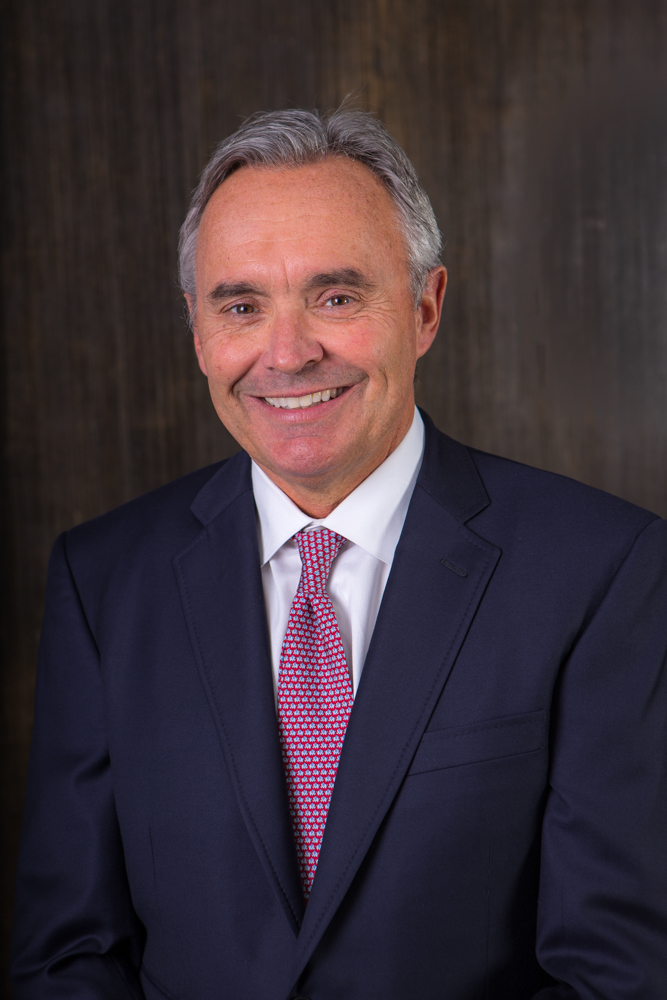
About the author: Greg Bentley
Co-Founder & Trial Lawyer at Bentley & More LLP
Greg Bentley is Co-Founder of Bentley & More LLP in Newport Beach, California. With 36 years of experience, he represents plaintiffs in personal injury, wrongful death, product liability, insurance bad faith, dangerous road and property conditions, and construction-site failure cases. Admitted to the State Bar of California, Greg earned his J.D. from Western State University College of Law in 1990. He is a member of several invitation-only trial organizations, including the American College of Trial Lawyers and the International Academy of Trial Lawyers, and is active in multiple statewide and regional trial lawyer associations.







 ES