Home » Blog » What if I Was an Uber Driver and Got Hit by Another Car?
|
|
Last Modified on Oct 23, 2026
If you drive for Uber and another car hit you, the at-fault driver’s insurance usually pays first, not Uber’s policy. An experienced rideshare accident attorney at Bentley & More LLP can sort out the layers of coverage so you are not left guessing while bills pile up.
Key Takeaways
- The at-fault driver’s personal liability insurance is usually the first source of payment.
- Most Uber drivers in California cannot file a standard workers’ comp claim because of their independent contractor status.
A free consultation can help you figure out which path applies to your crash.
Who Pays First If Another Driver Hits You While You’re Driving for Uber
California follows a fault-based system, so the driver who caused the crash is responsible for your damages no matter what your app status was. Their liability insurance is the first place a claim goes.
The trouble starts when that driver has no insurance, or not enough, to cover a serious injury. Uber’s coverage can step in as backup, but only for certain periods of your shift. When insurance limits fall short, speaking with a car accident lawyer can clarify your rights under underinsured motorist policies.
Why Workers’ Comp Usually Isn’t an Option for Rideshare Drivers
Uber drivers in California are independent contractors, which generally keeps them out of standard workers’ compensation. Prop 22 exempts app-based drivers from California workers’ comp laws.The California Supreme Court upheld that framework in Castellanos v. State, 16 Cal. 5th 1 (2024). Prop 22 does require Uber to carry occupational accident insurance for injuries while you are online.
What to Do in the Hours and Weeks After the Crash
A few steps protect your claim early:
- Screenshot your driver app showing your status at the time of the crash.
- Get the other driver’s insurance information and a police report.
- Seek medical care right away, even for injuries that feel minor.
Your own insurer may try to deny the claim by pointing to a livery or rideshare exclusion. That denial does not end your options. It just means the right coverage layer still has to be identified and documented.
Frequently Asked Questions
Does my own car insurance cover me if I’m hit while driving for Uber?
Typically, the at-fault driver’s insurance covers you if you are hurt. If you need to use underinsured motorist coverage, then it may depend on your app status at the time of the crash. Many standard personal auto policies in California exclude coverage once you are logged into a rideshare app, which is why Uber’s layered coverage exists.
What if the other driver has no insurance at all?
Uber’s uninsured motorist coverage can fill the gap, but only once a passenger is in the car. The amount is capped at $60,000 per person and $300,000 per incident under current California law. If you had not picked up a passenger yet, your own uninsured motorist coverage may be the better option.
How long do I have to file a claim in California?
Most personal injury lawsuits must be filed within two years of the crash under Cal. Civ. Proc. Code § 335.1. Start gathering your app and medical records as soon as you can because evidence may be lost before the statute of limitations expires.
Bentley & More LLP: A Personal Injury Law Firm
Getting hit by another driver during a rideshare shift leaves you juggling medical needs, Uber’s shifting coverage periods, and an at-fault driver’s insurer that may drag its feet. Sorting out which policy applies often comes down to small details, like app timestamps and trip logs, that are easy to lose if nobody tracks them from day one.
Contact our firm today to go over what happened and find out which coverage applies to your situation.
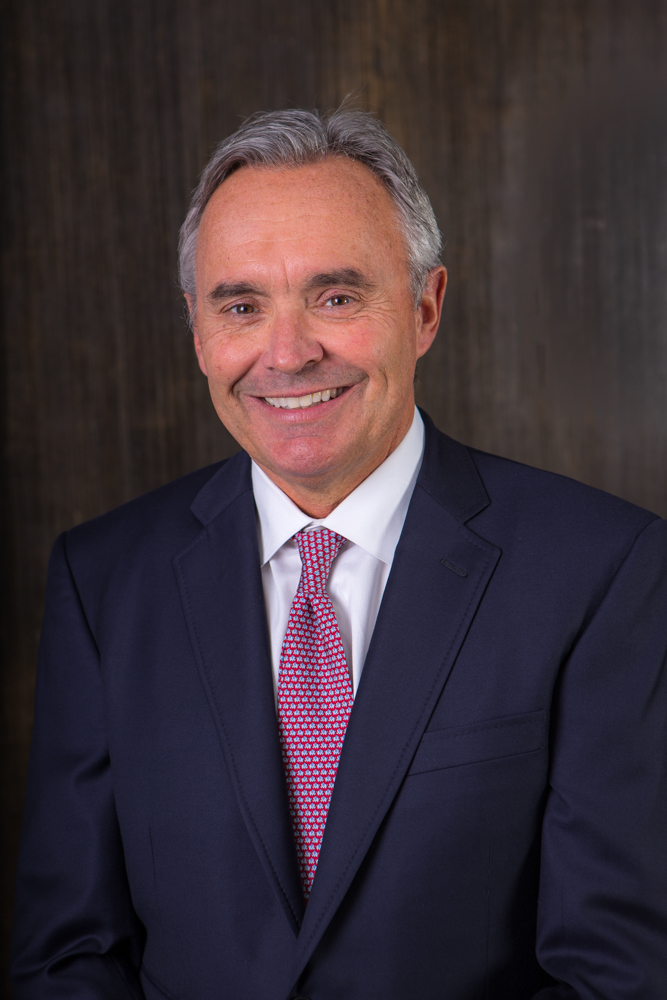
About the author: Greg Bentley
Co-Founder & Trial Lawyer at Bentley & More LLP
Greg Bentley is Co-Founder of Bentley & More LLP in Newport Beach, California. With 36 years of experience, he represents plaintiffs in personal injury, wrongful death, product liability, insurance bad faith, dangerous road and property conditions, and construction-site failure cases. Admitted to the State Bar of California, Greg earned his J.D. from Western State University College of Law in 1990. He is a member of several invitation-only trial organizations, including the American College of Trial Lawyers and the International Academy of Trial Lawyers, and is active in multiple statewide and regional trial lawyer associations.







 ES