Home » Blog » Does My Own Auto Insurance Cover Me if I’m Hit by an Uber or Lyft Driver in California?
|
|
Last Modified on Oct 21, 2026
Getting hit by a driver working for Uber or Lyft turns a routine fender bender into something more complicated. Whether your own auto insurance covers you depends largely on what the driver’s app was doing at impact and what insurance the at-fault party carries.
Our dedicated personal injury lawyers at Bentley & More LLP have represented injured people across California since the firm’s founding in 2016, and sorting out which policy owes what is often the first job on a rideshare claim.
Key Takeaways
- California splits rideshare crashes into insurance periods based on the driver’s app status.
- A 2025 law cut the uninsured/underinsured (UM/UIM) motorist coverage Uber and Lyft must carry while a passenger is in the car, starting in 2026.
- Your own UM/UIM coverage can fill the gap the rideshare policy now leaves behind.
- Fault and app status, not the rideshare brand, usually decide which insurer pays first.
What Happens to Your Insurance When an Uber or Lyft Driver Hits You
If the rideshare driver caused the crash, the claim typically goes against that driver’s rideshare insurance or personal car insurance, not your own insurer. To evaluate how different vehicle collisions impact insurance coverage evaluations, review common factors in car accidents happen every day, in residential neighborhoods, downtown intersections and on the highways.
Uber and Lyft are transportation network companies, which provide prearranged transportation through an online platform that connects drivers with passengers. The California Public Utilities Commission oversees the insurance these companies must carry.
Your own policy is applicable when the at-fault driver can’t fully cover your injuries.
California’s Three Rideshare Insurance Periods, Explained
Coverage shifts depending on what the app showed at the time of the crash.
- App completely off: only the driver’s personal auto policy applies, with no rideshare coverage at all.
- App on, waiting for a match: transportation network company insurance must pay first, with lower limits of $50,000 per person, $100,000 per accident for injury, and $30,000 for property damage. This applies before any ride is accepted.
- Trip accepted through drop-off: the $1 million commercial liability policy is primary, and the company must also provide UM/UIM motorist coverage from the moment a passenger enters the vehicle.
Which period applies can turn an easy claim into a disputed one, since app logs and driver statements both come into play. When commercial haulers are involved in collisions, similar strict liability standards govern truck accident cases in California.
When Your Own Policy Has to Step In
Uninsured motorist coverage pays for injury caused by a driver with no insurance, while underinsured motorist coverage applies when the at-fault driver has insurance but not enough.
California won’t let you add limits from multiple vehicles together Under Cal Ins. Code § 11580.2, an anti-stacking rule caps recovery at the single highest UM/UIM limit on your policy. That cap matters more now that rideshare UM coverage is smaller.
Frequently Asked Questions
Does my regular auto insurance cover me if I’m a passenger in an Uber that gets hit?
Sometimes. Your own UM/UIM coverage can apply if the at-fault driver has no insurance or not enough, even while you’re riding as a passenger.
What if the Uber or Lyft driver who hit me was logged into the app but hadn’t accepted a ride?
That’s a lower coverage tier under state law. However, those lower limits are still primary, so the driver’s personal policy does not have to pay first. Documenting the driver’s app status as of the crash, as early as possible, matters a great deal. This period is often a disputed part of a rideshare claim.
How much uninsured and underinsured motorist coverage does an Uber or Lyft driver have?
Beginning in 2026, Uber, Lyft, and other rideshare companies are required to carry only $60,000 per person and $300,000 per accident in uninsured/underinsured motorist coverage while a passenger is in the car. If there is no passenger in the car, the driver’s own coverage may apply.
Bentley & More LLP: A California Rideshare Accident Law Firm
Figuring out whether your own policy or a rideshare company’s commercial insurance should pay isn’t something most people can sort out from a policy booklet. It usually takes comparing the driver’s app data, the rideshare company’s coverage documents, and your own policy side by side.
Contact our firm today to talk through what happened and find out which coverage applies to your crash.
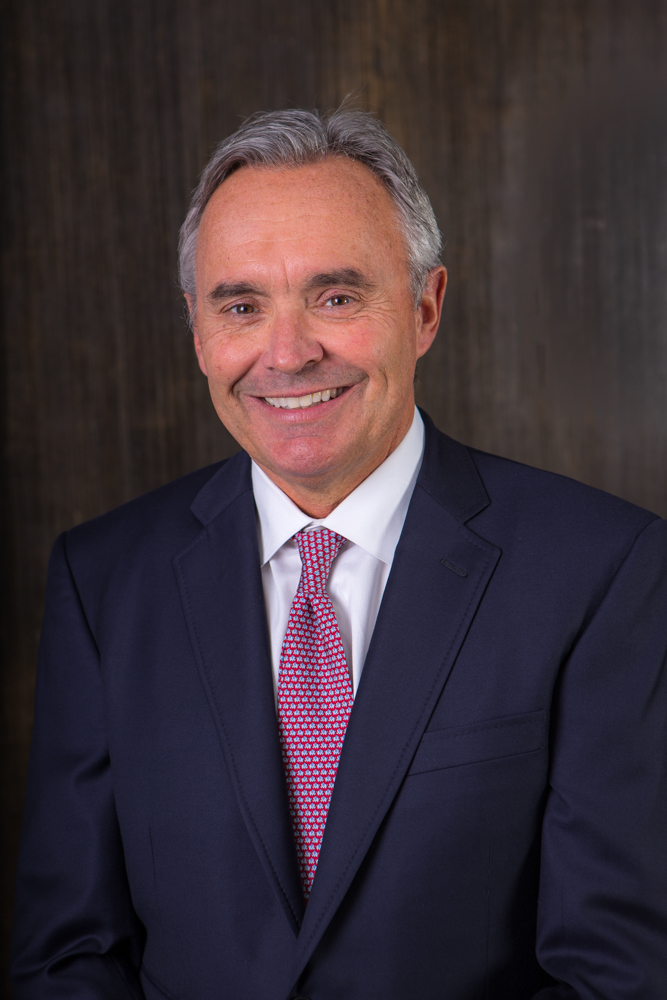
About the author: Greg Bentley
Co-Founder & Trial Lawyer at Bentley & More LLP
Greg Bentley is Co-Founder of Bentley & More LLP in Newport Beach, California. With 36 years of experience, he represents plaintiffs in personal injury, wrongful death, product liability, insurance bad faith, dangerous road and property conditions, and construction-site failure cases. Admitted to the State Bar of California, Greg earned his J.D. from Western State University College of Law in 1990. He is a member of several invitation-only trial organizations, including the American College of Trial Lawyers and the International Academy of Trial Lawyers, and is active in multiple statewide and regional trial lawyer associations.







 ES